
 By admin-codelyx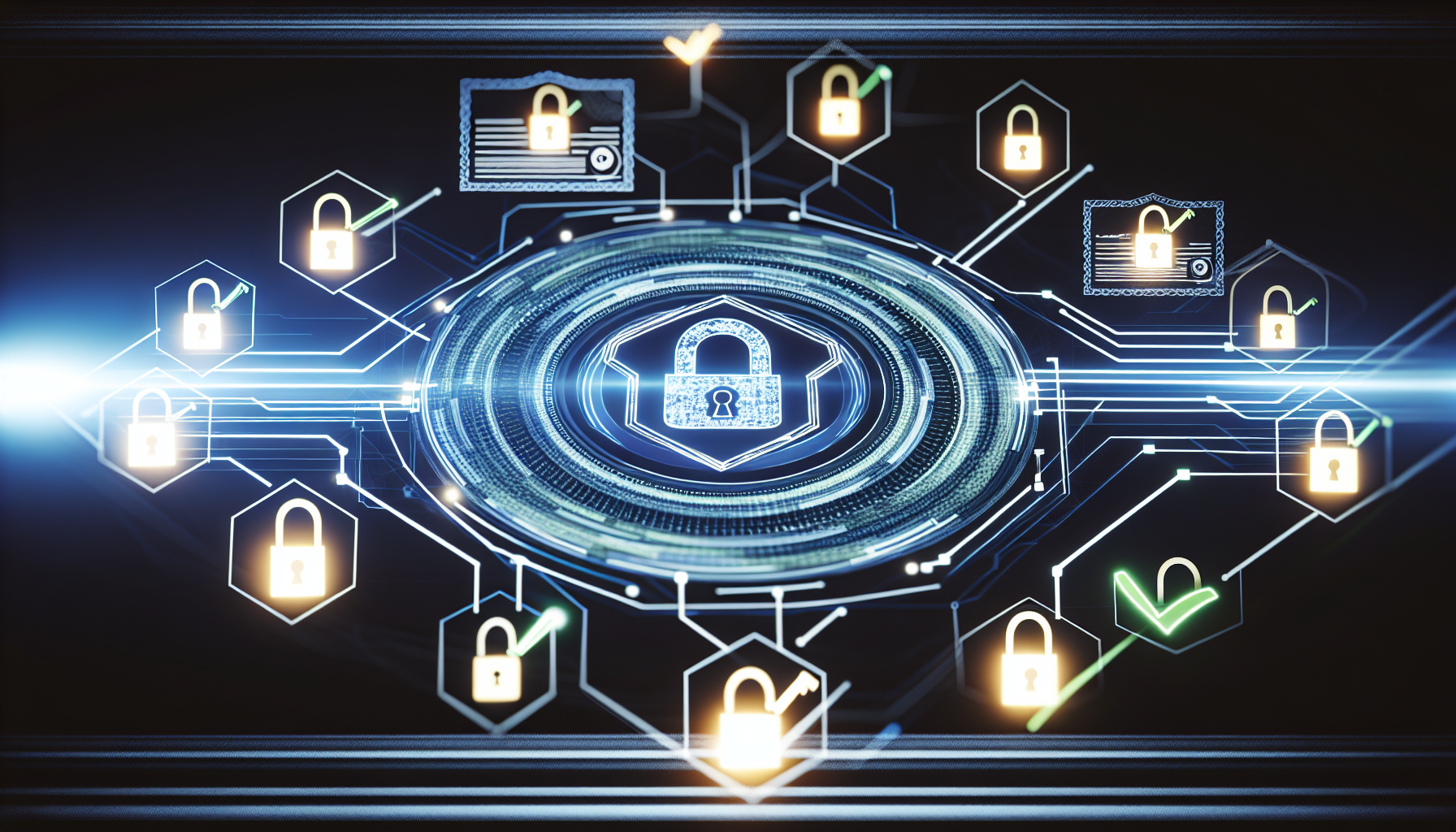
In the digital era, security and compliance are vital. This article explores essential practices designed to safeguard data and ensure regulatory adherence. We decode complex security standards and legal requirements to empower readers with knowledge.
Understanding Security & Compliance
Understanding Security & Compliance
Security and compliance are crucial for staying safe online. Today, we must protect personal and business information. **Security** involves taking steps to protect data from hackers. **Compliance** means following rules and laws set by governments and organizations to keep data safe and private. Together, they help industries like finance, healthcare, and e-commerce operate safely.
Why Are Security & Compliance Important?
For example, banks must protect your money and personal information from theft. If not, they could face fines or lose your trust. Therefore, they follow strict rules to keep data safe. This is why compliance is key. Similarly, hospitals store sensitive health information. They need security to prevent data leaks. E-commerce sites also rely on secure systems to protect customer payment details.
Neglecting these areas can lead to big problems. **Data breaches**, or breaks in security, can expose personal data. This can lead to identity theft or financial loss. Additionally, companies might face legal penalties for not complying with laws. This is costly and damages their reputation.
Benefits of Prioritizing Security & Compliance
There are many good reasons to focus on security and compliance:
- Protects personal data from theft
- Builds customer trust and loyalty
- Prevents legal troubles and fines
- Keeps company reputation strong
- Ensures smooth business operations
For example, a secure network system uses firewalls and encryption to guard against cyber attacks. This image can show how layers of protection work to keep data safe, highlighting the importance of a **multi-layered approach**.
The Consequences of Ignoring Security & Compliance
Without proper security measures, companies risk losing valuable data. Furthermore, legal penalties can be severe. Hackers can misuse information, causing harm to individuals and businesses. Moreover, the loss of trust from customers can be devastating. Companies must therefore prioritize both areas to operate safely and effectively online.
For more on maintaining robust security and compliance measures, check out this comprehensive guide.
In the next chapter, we will explore legal frameworks and standards that govern security and compliance globally. These rules are essential for businesses to avoid legal issues and uphold customer trust. For an in-depth look at these frameworks, visit this site.
Legal Frameworks and Standards
**Legal Frameworks and Standards: Understanding Security & Compliance**
Security & Compliance are crucial in today’s digital world. They help protect information and build trust. Global rules ensure data is safe wherever it is. Legal frameworks give us guidance on protecting data and staying compliant.
Key Frameworks for Security & Compliance
There are many important rules around the world. These rules help protect people’s data. Understanding them keeps businesses safe from legal trouble.
For example, the **General Data Protection Regulation (GDPR)** in Europe protects personal data. It makes sure companies store people’s information safely. Businesses that don’t follow these rules can face fines. Therefore, knowing GDPR is key.
Similarly, the **Health Insurance Portability and Accountability Act (HIPAA)** in the United States focuses on healthcare data. It protects patient information, ensuring it stays private. Medical offices and hospitals must follow HIPAA to avoid penalties.
Additionally, these rules don’t just prevent trouble; they build trust. When companies follow Security & Compliance rules, customers feel safe. They know their data is in good hands.
Common Global Security Standards
Moreover, standards like **ISO 27001** offer a clear path for businesses. ISO 27001 helps ensure data security practices are top-notch. Companies following this standard protect their data and processes properly.
Furthermore, the **Payment Card Industry Data Security Standard (PCI DSS)** is crucial for businesses handling credit cards. It keeps customer payment information safe. Following PCI DSS helps prevent credit card fraud.
Here’s a quick list of common standards:
- GDPR: European data protection
- HIPAA: U.S. healthcare information
- ISO 27001: Information security management
- PCI DSS: Payment card information security
These standards guide businesses around the globe. Following them ensures data is well-protected.
Importance of Understanding Frameworks
Understanding Security & Compliance frameworks is vital. Not following these can lead to big problems, including huge fines. Moreover, businesses that ignore these might lose customer trust.
For example, a company that fails to comply with GDPR might face fines up to €20 million. This can greatly hurt a business. Thus, learning about these frameworks is not just smart. It’s necessary.
To help illustrate the importance of these rules, here’s an image of legal documents in action. It shows how detailed these frameworks can be. Each document represents a law or rule designed to protect us.
[Image: Legal Documents in Action](https://example.com/legal-doc.jpg)
This image represents the thorough work put into creating these protections. It’s a reminder of the care we need to take in following these rules.
Furthermore, as we continue to explore these legal standards, remember that Security & Compliance are ongoing efforts. They require constant attention to keep up with ever-changing laws and threats.
In conclusion, understanding and adhering to these frameworks ensures both safety and trust. This foundation prepares us to explore the best practices in cybersecurity, which we will discuss next.
For more insights on mastering Security & Compliance, visit our article on Mastering Security & Compliance in 2023.
And to dive deeper, consider reading about the GDPR on the European Commission’s website.
Cybersecurity Best Practices
Cybersecurity Basics: How to Stay Safe Online
In today’s digital world, staying safe online is crucial. **Security & Compliance** are at the heart of online safety. Therefore, you should learn how to protect your devices and data. This chapter will show you how with practical steps.
Essential Tools for Cybersecurity
Firstly, always use a firewall. Firewalls act as guards, blocking unwanted traffic from reaching your devices. Secondly, encryption is key. **Encryption** helps to hide your personal data by turning it into secret codes. When you use sites with “https” in the URL, your data is more secure. Thirdly, anti-virus software is a must-have. This software scans and removes harmful viruses from your devices.
To view a helpful image of cybersecurity software in action, check the IT Security Blog online. They’ll help you visualize these tools in practice.
However, tools alone aren’t enough. According to a study by The Cybersecurity and Infrastructure Security Agency, over 90% of successful cyber attacks rely on human error. Therefore, training employees to recognize threats is critical in preventing breaches.
Creating Strong Passwords and Secure Networks
Strong passwords are key to **Security & Compliance**. For example, mix uppercase letters, lowercase letters, numbers, and symbols to create a robust password. Avoid using easily guessed words such as names and birthdates. Change your passwords regularly to keep them secure.
Moreover, securing your network is crucial. Make sure you have a strong Wi-Fi password. Regularly update your router’s firmware to protect against vulnerabilities. Enabling network encryption ensures only authorized devices can connect.
For more tips on strong passwords, check Mastering Security & Compliance in 2023.
Action Plan for Small Businesses
Setting up a security protocol is crucial for small businesses. Follow these steps to create a basic protocol:
- Install a robust firewall and anti-virus software.
- Encrypt sensitive data on all devices.
- Train employees to spot phishing attempts and suspicious activities.
- Regularly update software to patch vulnerabilities.
- Develop an incident response plan for potential breaches.
The internet offers countless opportunities, but also risks. But with the right precautions, you can navigate safely. As you continue to explore cybersecurity, remember the importance of **Security & Compliance**. The next chapter will guide you toward developing a compliance program.
Developing a Compliance Program
Developing a Compliance Program
Creating a solid compliance program is key to staying safe in the digital age. It helps companies protect sensitive data and meet laws. To start, conduct a **risk assessment** to find weak areas. This is like checking your bike to ensure it’s safe before riding.
Additionally, set clear policies for everyone to follow. These rules act as a guide for handling information securely. According to CSO Online, policies are the backbone of any compliance system.
Key Steps in Developing a Compliance Program
Building a compliance program involves several important steps:
- Conduct Risk Assessments: Look for areas where the company could face problems.
- Set Policies: Create rules for how to handle situations and data responsibly.
- Monitor Continuously: Regularly check to ensure everyone follows the rules.
- Conduct Training: Teach employees what they need to know to stay compliant.
- Regular Updates: Update policies to comply with new laws and standards.
However, having policies is not enough. Continuous monitoring is crucial. It helps catch potential issues before they become big problems. If employees slip up, quick action can fix this before it turns into a serious breach.
Furthermore, regular training keeps team members informed about the latest compliance tips. It prepares them to handle their tasks safely. **Employee training** is essential, much like practicing for a school play. Only with practice can everyone perform their role perfectly.
Keeping Up with New Laws and Standards
Laws and standards change over time. Therefore, companies must regularly update their compliance measures. For example, a new security law may require stronger data protection. Companies can’t stay behind.
Updating compliance measures is like updating your phone’s apps. Without regular updates, things can break down or not work as they should. Additionally, staying informed about new regulations through reliable sources like NIST can ensure compliance.
Visualizing Compliance Training
To illustrate, consider how schools regularly update safety drills. Businesses must do the same with compliance measures. This example of an employee compliance training session shows how engaging and practical these sessions are.
Finally, building a compliance program ensures that a company stays secure and meets legal requirements. Moreover, it prepares the way to effectively respond to incidents, which we will discuss in the next chapter.
Incident Response and Management
Incident response is crucial in handling security issues efficiently. It prepares businesses to manage and mitigate digital threats effectively.
What is Incident Response?
Incident response is a structured way to deal with security threats. It helps a team react quickly and minimize harm. **Having a plan** means knowing what to do when things go wrong. This plan is important for security and compliance because it protects data and maintains trust.
Steps in an Incident Response Plan
When a security incident occurs, there are five main steps to follow.
- Identification: Recognize the incident quickly. This step is crucial in understanding what has happened.
- Containment: Stop the threat from spreading. This keeps the damage as small as possible.
- Eradication: Remove the threat entirely. This step ensures the problem is gone.
- Recovery: Restore normal operations. It involves fixing and securing systems.
- Lessons Learned: Analyze what happened and improve the plan. This step makes sure you’re better prepared next time.
As an example, imagine a data breach. Sensitive information might be exposed. Quickly identifying this breach can limit exposure. Therefore, a swift incident response maintains protection and compliance. Detailed response plans align with NIST guidelines, a highly regarded standard.
Protocol for Handling a Data Breach
An incident, like a data breach, requires immediate action. Here’s what a response could involve:
– Alert the team and execute identification.
– Analyze affected data and contain the breach.
– Remove any malicious software from affected systems.
– Notify affected individuals as required by law.
Understanding these protocols align with descriptive anchor text for seamless compliance.
Incident Response Kit Check
Having an incident response kit is essential. Here’s a checklist:
- Contact information for team members
- Access to secure communication tools
- Proper documentation of procedures
- Backup systems and data
- Software to detect threats
Preparedness is key to effective response. In addition to the checklist, visualization such as a “security operations center” shows how these elements come together smoothly.
Smooth Transition to Next Steps
Understanding incident response solidifies your security and compliance efforts. With this foundation, your team is well-equipped to tackle future challenges in digital security.
Conclusions
The journey through Security & Compliance reflects its ongoing nature. We’ve discussed actions and frameworks ensuring robust protection and legal concordance. This wisdom equips you to enhance security measures and compliance strategies effectively.